Jonas Schwarz · 13 October 2026
Tracking Retention Metrics for Standalone Web Ventures Amid Algorithmic Flux
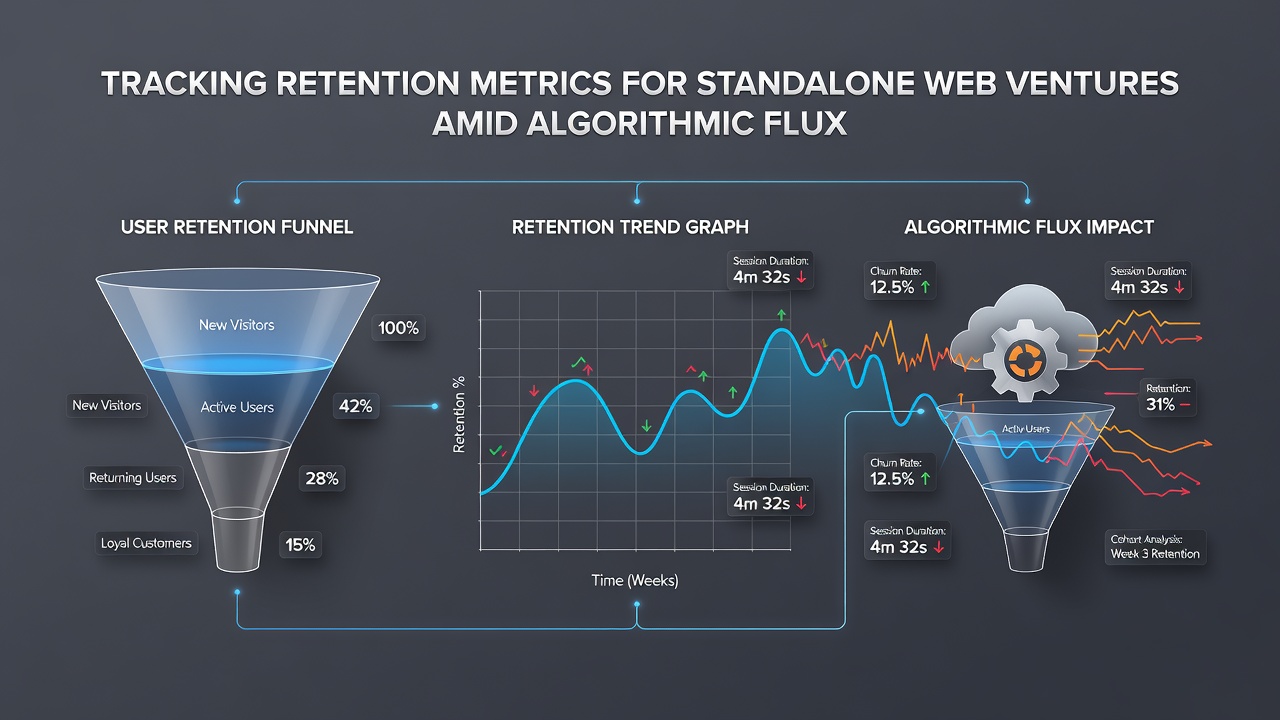
Standalone web ventures face ongoing shifts in search engine algorithms that directly influence how long visitors stay and whether they return, and researchers track these patterns through specific retention metrics that include bounce rates, average session duration, pages per visit, and repeat visit frequency. Data from multiple industry reports shows that algorithm updates in 2025 altered visibility for many independent sites, which in turn affected user engagement signals that platforms use to rank content. Observers note that sites maintaining consistent user return rates above 35 percent often demonstrate stronger resilience during ranking adjustments because these figures signal sustained relevance to both algorithms and audiences.
Core Retention Metrics and Their Measurement
Experts define retention through a combination of quantitative indicators that analytics platforms record automatically, and studies indicate that time on site combined with return visitor percentages provides clearer pictures of audience loyalty than isolated page views alone. Tools such as Google Analytics and Matomo collect these values by logging unique identifiers and timestamps, while server log analysis offers supplementary data on repeat IP patterns when privacy settings limit cookie use. Figures from academic reviews reveal that sites experiencing drops in average session duration below two minutes frequently correlate with reduced algorithmic favor in subsequent crawls, prompting webmasters to examine content structure and load speeds as contributing factors.
Adapting to Flux in Search Algorithms
Algorithmic changes occur at irregular intervals, and records from October 2026 document several core updates that prioritized behavioral signals over traditional keyword density. One study released by the Organisation for Economic Co-operation and Development examined digital platform dynamics across member countries and found that ventures relying solely on initial traffic spikes without retention safeguards saw steeper declines in indexed pages after each major refresh. OECD digital economy reports detail how repeat engagement metrics help independent operators identify which pages retain attention amid these adjustments. Those who monitor cohort retention, grouping users by acquisition date, gain visibility into long-term patterns rather than snapshot figures that algorithms may discount during evaluation cycles.
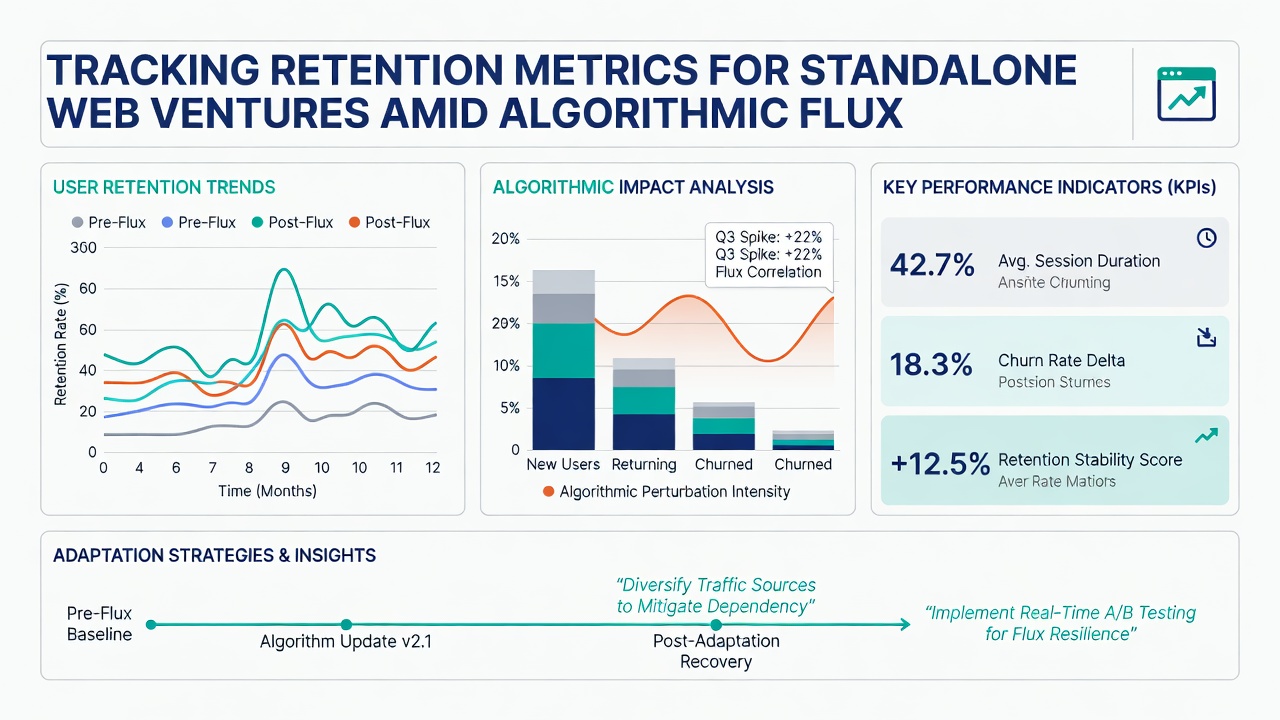
Independent operators often integrate additional layers of measurement by combining first-party data with aggregated industry benchmarks, and evidence suggests this approach reduces reliance on any single platform's reporting changes. Researchers at various institutions have observed that ventures implementing A/B testing on navigation elements and content formats achieve measurable lifts in pages per session when adjustments align with observed user pathways. In October 2026, several reports highlighted how privacy-focused browsers altered data collection accuracy, leading analysts to cross-reference multiple sources including direct surveys and heat-mapping software to verify retention trends.
Practical Tracking Approaches for Independent Sites
Web ventures establish baseline retention numbers through consistent dashboard reviews scheduled weekly, and data indicates that deviations beyond 15 percent in repeat visit rates warrant immediate content audits. Server-side event tracking captures actions such as newsletter sign-ups or download completions that correlate with higher retention, providing concrete markers beyond passive page views. A paper from the University of Melbourne's digital media research group analyzed retention across niche content sites and reported that interactive elements like comment sections and personalized recommendations increased average return intervals when implemented with clear value propositions. University of Melbourne research publications emphasize cross-device attribution methods that account for users switching between mobile and desktop sessions, which improves accuracy in flux periods.
Those managing standalone properties also review referral sources alongside retention because traffic quality influences how long visitors engage, and statistics from regulatory bodies in Canada show correlations between high-quality inbound links and sustained session metrics. Regular audits of these combined datasets allow operators to isolate algorithm-driven changes from internal site issues such as outdated design or slow performance. Evidence from longitudinal tracking demonstrates that ventures maintaining public transparency reports on their metrics often attract partnerships that further stabilize audience bases during ranking volatility.
Conclusion
Retention metric tracking supplies standalone web ventures with actionable signals during periods of algorithmic adjustment, and comprehensive datasets compiled through October 2026 confirm that multi-source monitoring yields more reliable insights than single-platform analytics alone. Ventures that integrate cohort analysis, behavioral event logging, and cross-referenced benchmarks position themselves to respond promptly when engagement patterns shift. Continued collection of these factual indicators supports informed decisions about content updates and technical optimizations without dependence on any one external ranking factor.